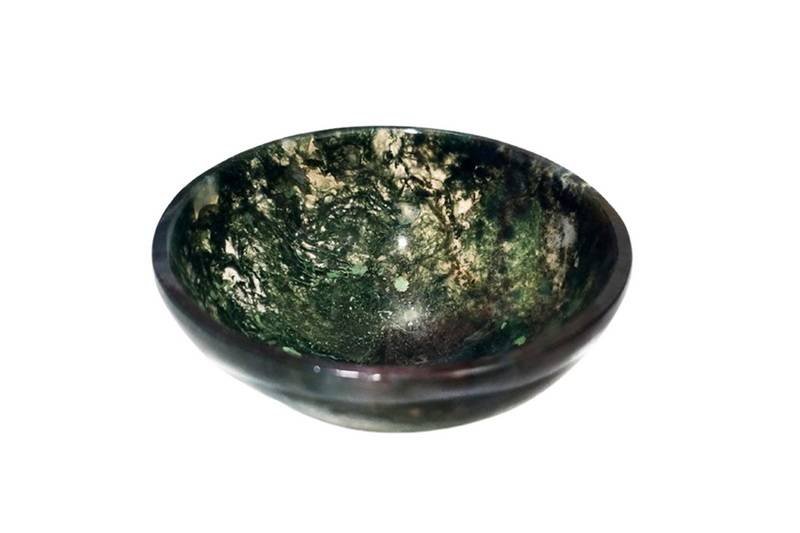
Description
The mesmerizing colors of many gemstones owe their existence to the subtle yet profound influence of chromian ions. Through a process known as isomorphous substitution, chromium ions can replace other metal ions within the crystalline structure of gemstones, altering their optical properties and, consequently, their perceived color. This phenomenon is not merely a quirk of chemistry but a transformative process that gifts ordinary minerals with extraordinary beauty.
For instance, when chromian ions partially substitute aluminum ions in corundum (Al2O3), the otherwise colorless mineral transforms into the radiant red of spinel. The intensity of this red hue varies directly with the chromian content, offering a spectrum of saturation from pink to deep blood red. Similarly, the substitution of chromian ions for aluminum in the beryl mineral (Be3Al2Si6O18) gives emerald its signature vibrant green. This coloration process underscores chromian’s pivotal role as the elemental architect of gemstone colors, enabling nature’s palette to be enriched with hues ranging from the subtlest pinks to the deepest greens.